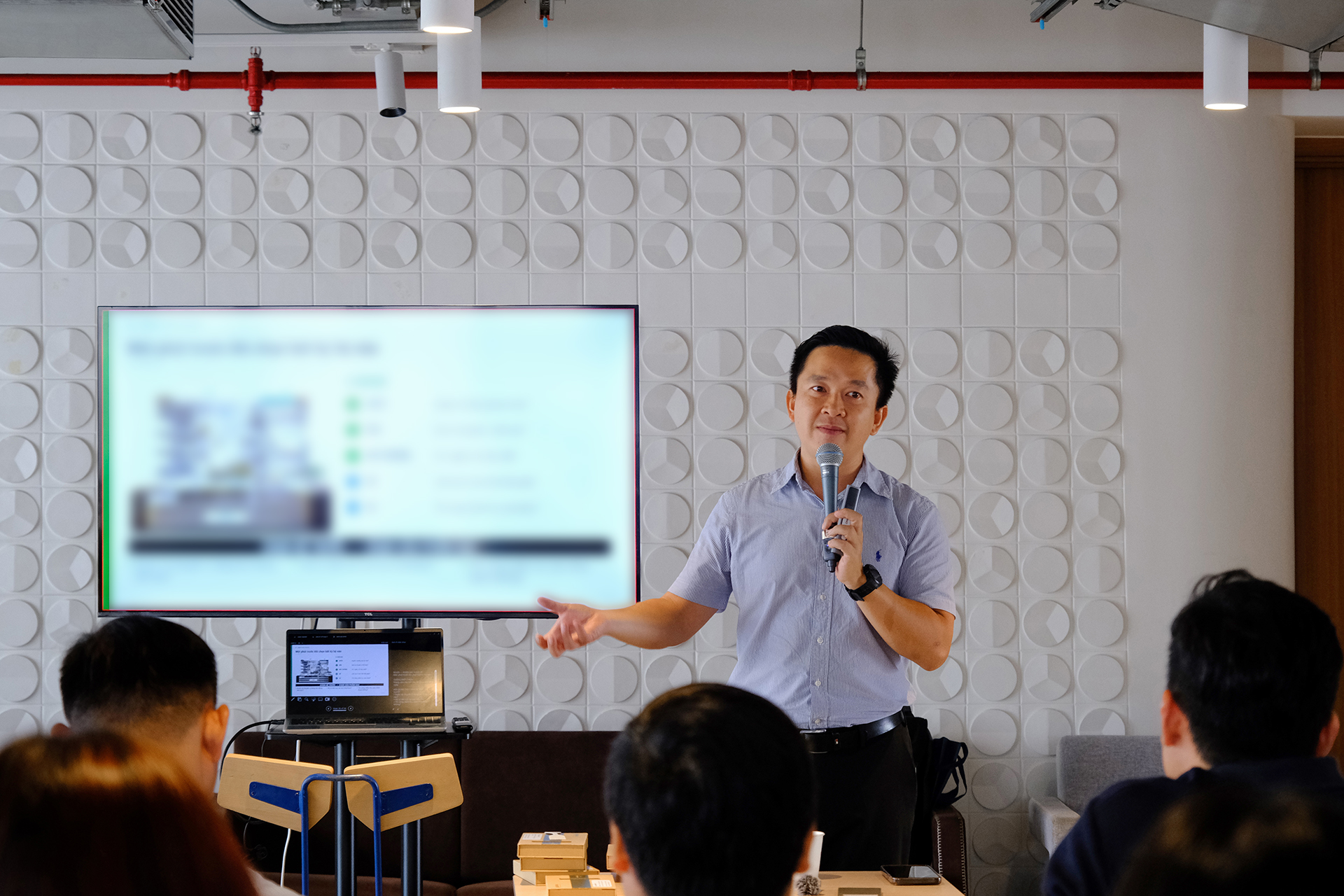

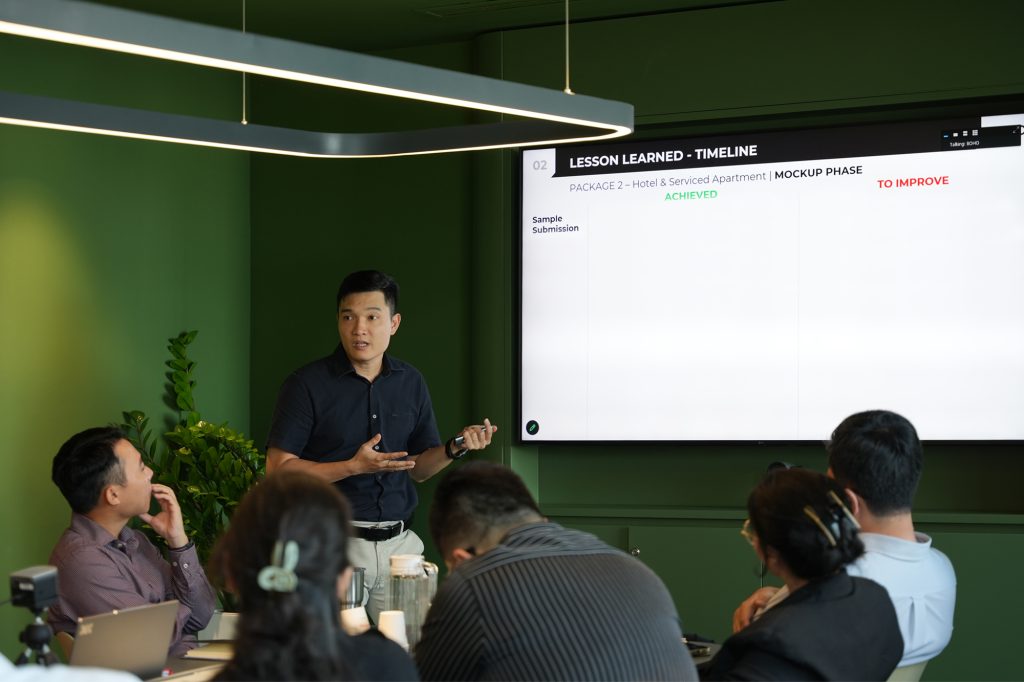
In complex interior project management, unresolved issues can easily reappear when experience remains with only a small number of individuals. At BOHO, lessons learned sessions are used to capture project experience, analyse recurring challenges and turn practical insights into shared knowledge across the organisation.
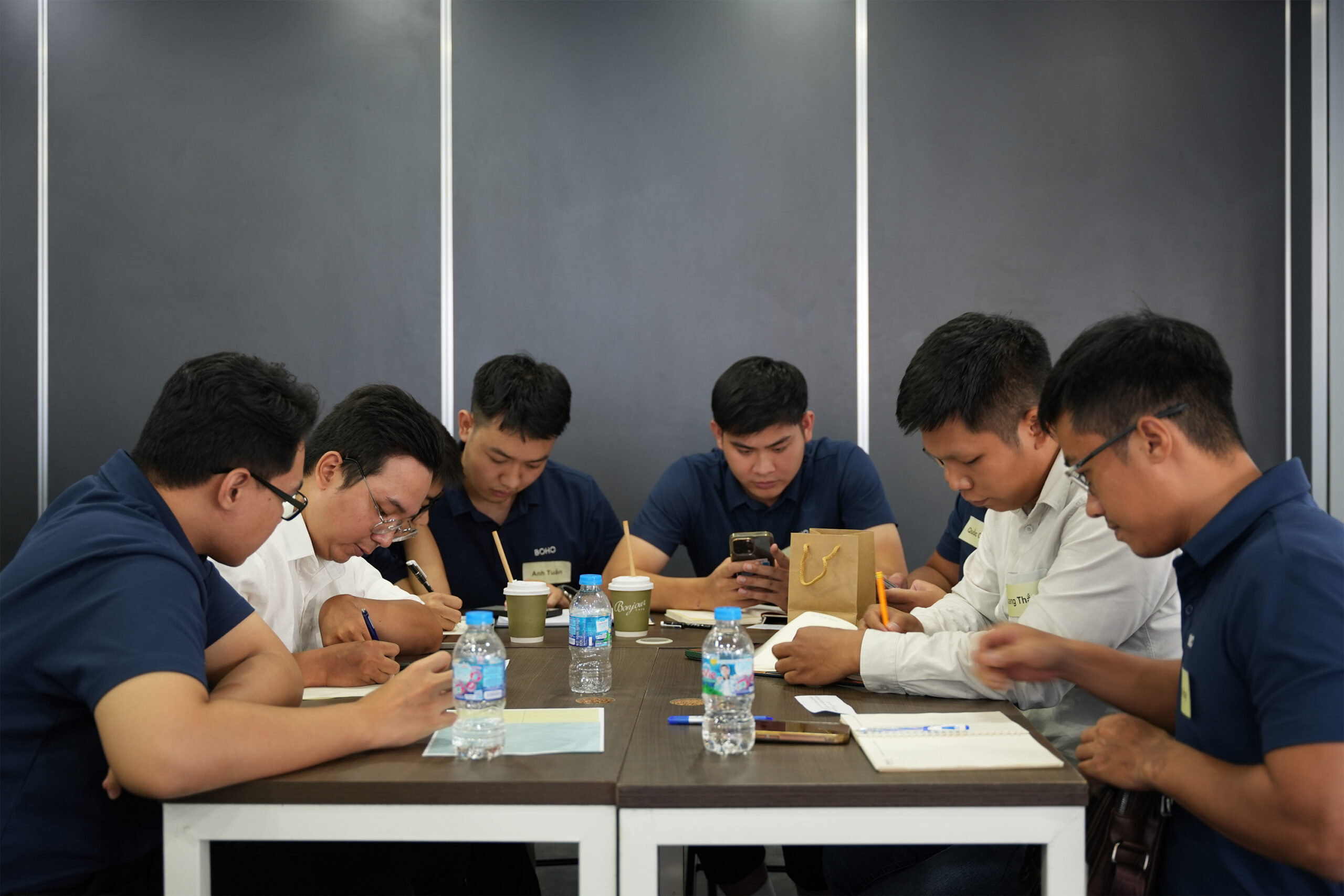
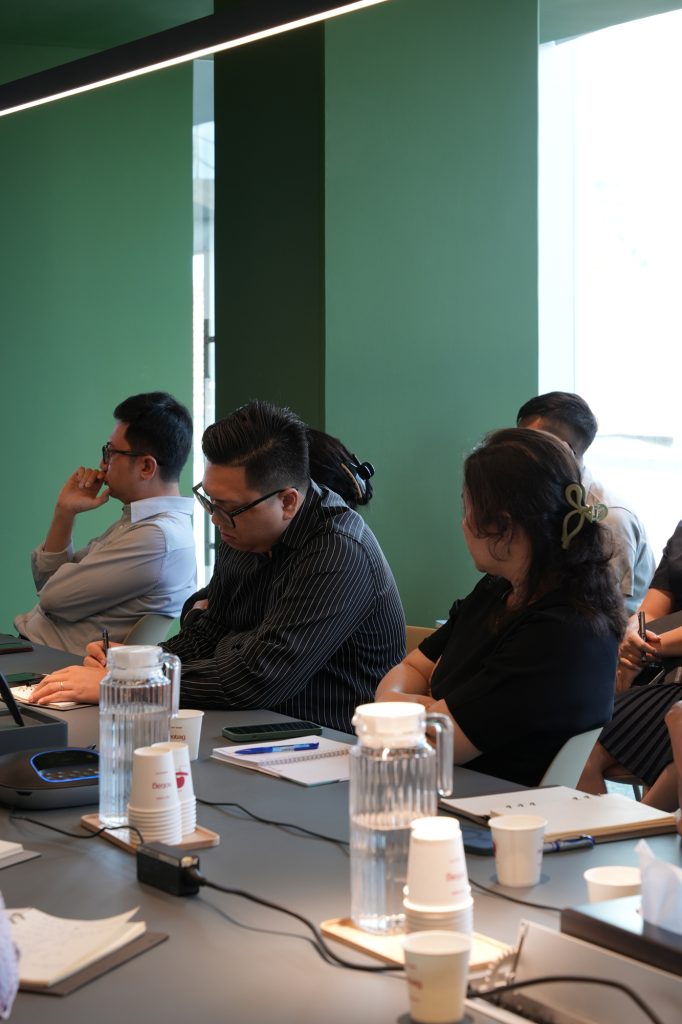
These sessions bring together site management teams, factory representatives and relevant departments to review project outcomes, identify root causes and agree on improvements in coordination and project execution.
This approach to shared learning is also reflected in BOHO’s technical training programmes, where teams work through real case studies, discuss possible solutions and challenge different perspectives before applying them on site.
Focusing on root causes
The value of a lesson learned does not lie in the number of issues recorded, but in how effectively the team identifies and addresses the underlying causes.
Each challenge is examined beyond its immediate symptoms to understand why it occurred and how similar issues can be prevented in future projects.
Communication is one of the areas frequently reviewed. In projects involving clients, consultants, contractors, suppliers and internal teams, differences in interpretation and changing requirements are often unavoidable.
Rather than expecting all information to be complete and accurate from the outset, BOHO focuses on establishing a system in which critical decisions are clarified, documented and updated before they affect subsequent stages of the project.
Key decision-making channels are identified to ensure that important matters reach the appropriate stakeholders. Communication is also organised into focused working groups to support faster responses and more effective coordination with clients and project partners.
Project information is classified according to its status, including matters under discussion, confirmed decisions and changes that may affect design, materials, procurement, production, cost or construction.
Critical decisions are documented and reconfirmed so that teams can work from a consistent source of information and respond more effectively when project requirements change.
Multiple functions into the discussion
A single project issue can have implications across several functions. A material change, for example, may affect design intent, sourcing, production, budget and the installation schedule.
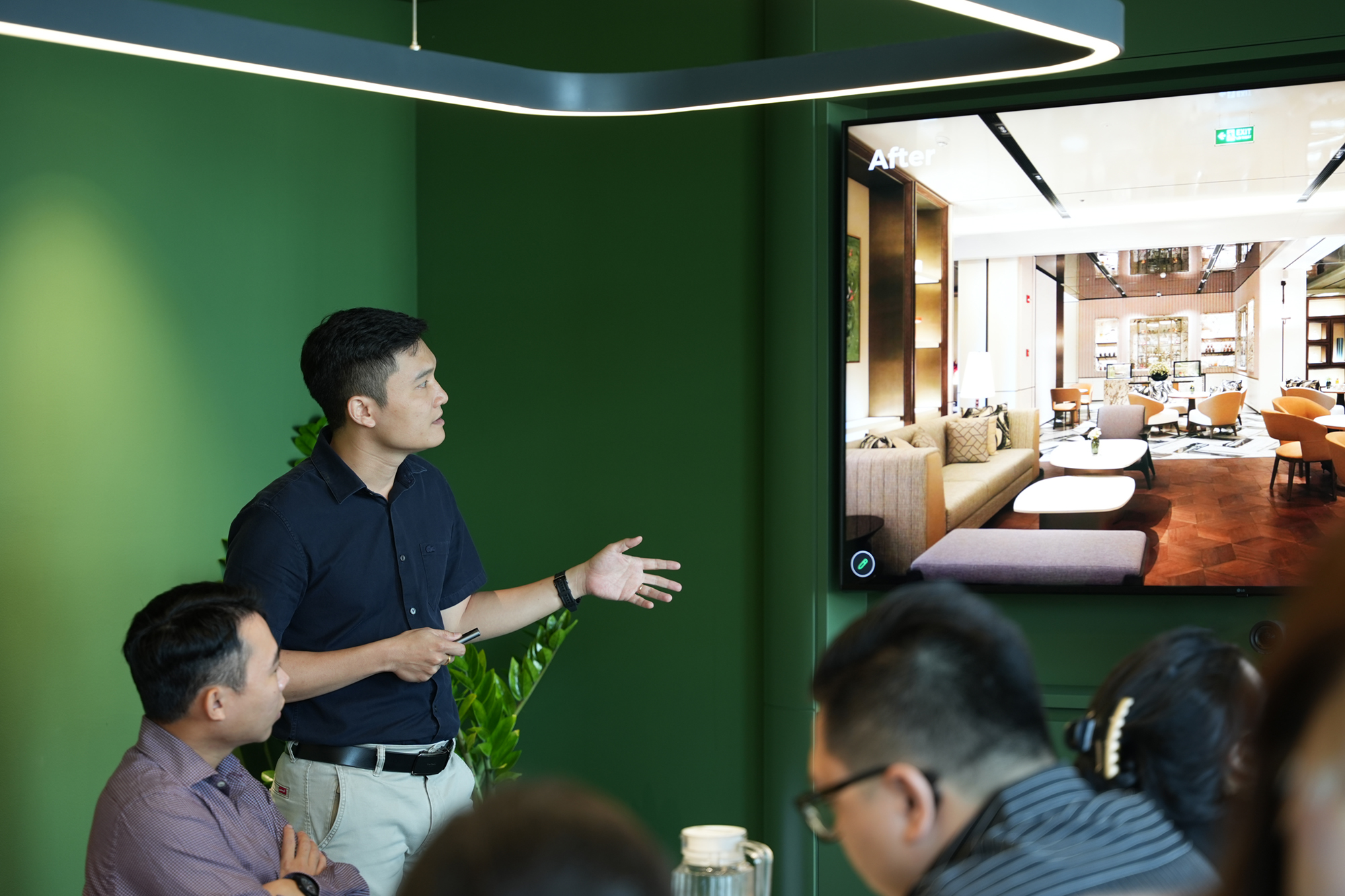
Lessons learned sessions allow BOHO’s site teams, factory and supporting departments to review these impacts collectively and identify areas for improvement in communication, responsibility allocation and project coordination.
The discussions do not focus only on shortcomings. Solutions, technical methods and coordination practices that have delivered positive results are also documented and considered for application to projects with similar conditions.
This focus on practical technical knowledge is also reflected in BOHO’s workshop on waterproofing and tile/stone installation, where site experience and technical solutions were discussed across different project conditions.



From project experience to standard practice
Following each review, relevant findings may be incorporated into new control points, revised checklists, updated coordination procedures or improved project execution guidelines.
This process allows experience from one project to become part of BOHO’s broader operating knowledge rather than remaining with the individuals directly involved.
Although each interior project has its own requirements, accumulated experience helps BOHO identify risks earlier, improve coordination and strengthen control over quality, schedules and costs.
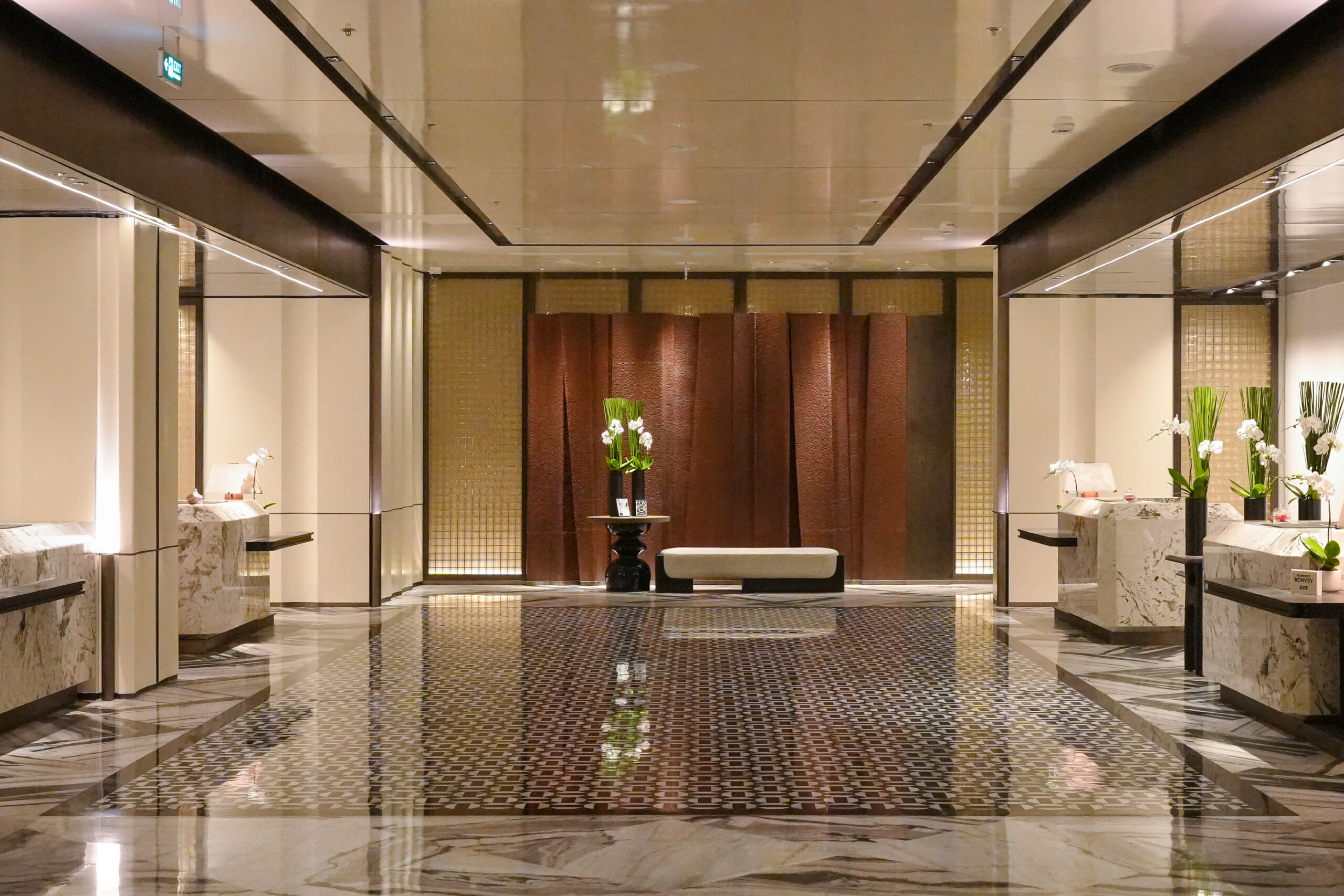
By systematically reviewing and applying lessons learned, BOHO continues to refine its processes, strengthen interior project management capabilities and support more integrated and effective project delivery across its Design & Build and interior construction services.