
Vietnam’s luxury hotel market is entering a new cycle of upgrades and brand conversions, bringing a new set of expectations for interior contractors.At JW Marriott Hotel & Suites Saigon, BOHO Corporation demonstrates what it takes to deliver complex hospitality interiors at international standards.
A new chapter for Vietnam’s hospitality landscape, a higher bar for contractors
Many luxury hotels developed in Vietnam between 2008 and 2010 have now been in operation for well over a decade. As tourism rebounds and international hotel groups continue to expand across the country, a growing number of properties are being renovated, repositioned or converted under new brands.
Against this backdrop, JW Marriott Hotel & Suites Saigon presents a notable case. Following an agreement between Mapletree Investments and Marriott International, the former InterContinental property was converted into JW Marriott Hotel & Suites Saigon, bringing with it a major programme of interior renovation and repositioning.
Comprising 305 hotel rooms & suites, 260 serviced apartments and a wide range of public, dining and wellness spaces, the project spans a complex mix of hospitality environments. Across this extensive programme, BOHO Corporation was responsible for translating the design into finished interiors throughout the property.
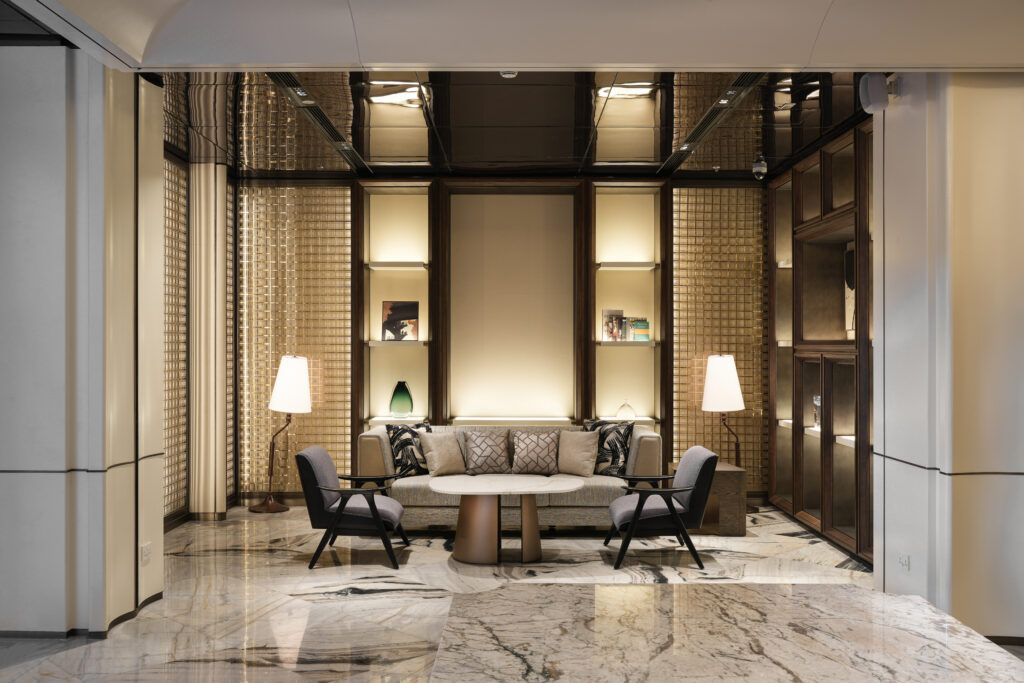
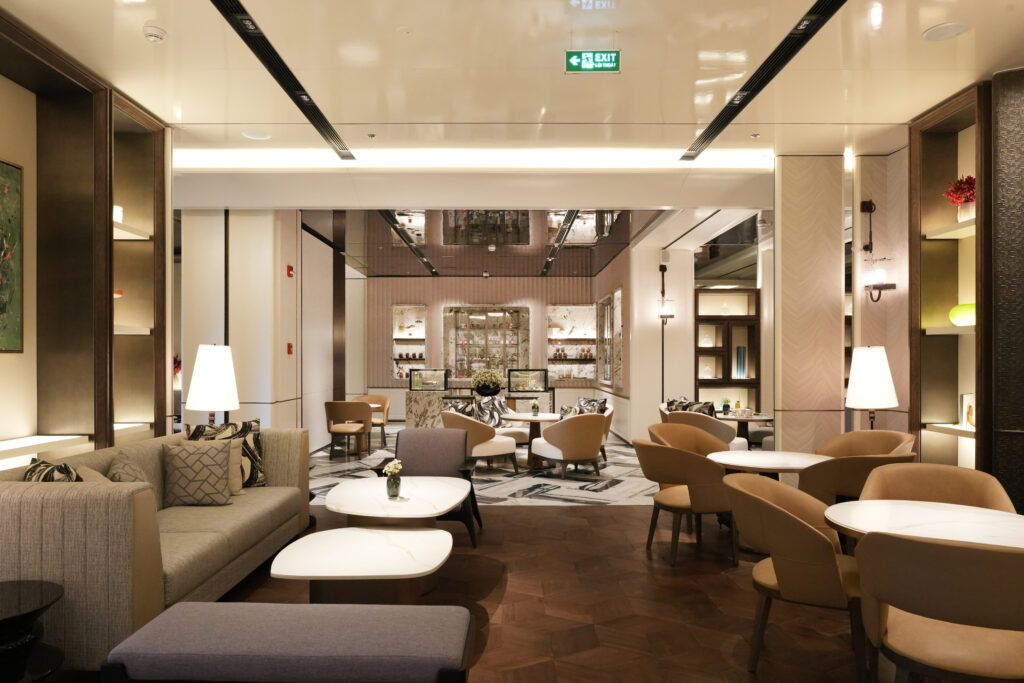
The Lounge
Construction that stays behind the scenes
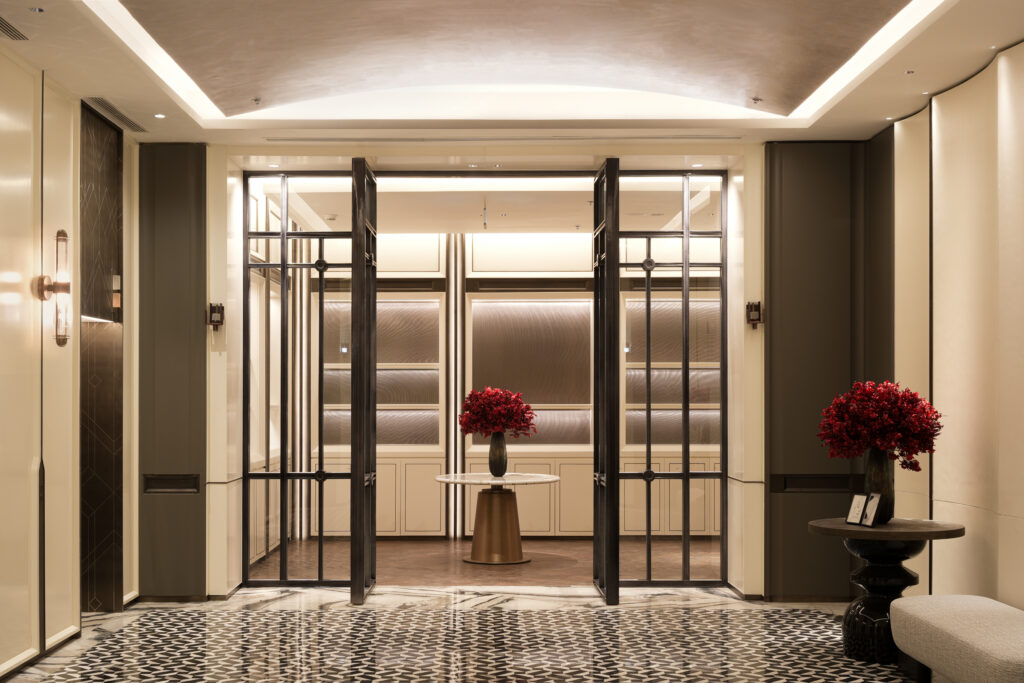
The hotel remained operational throughout the renovation. That changed the way the entire project had to be planned and delivered.
There was no option to take over the whole site and work sequentially from one end to the other. Areas were released in phases, each with its own access, construction and handover window. Every activity had to be coordinated around the ongoing operation of a five-star hotel.
Noise, dust, material logistics, workforce circulation and temporary staging areas were tightly controlled. Even temporary guest routes had to be planned and finished to a standard appropriate for the property.
The objective was simple: keep disruption to guests and hotel operations to a minimum.
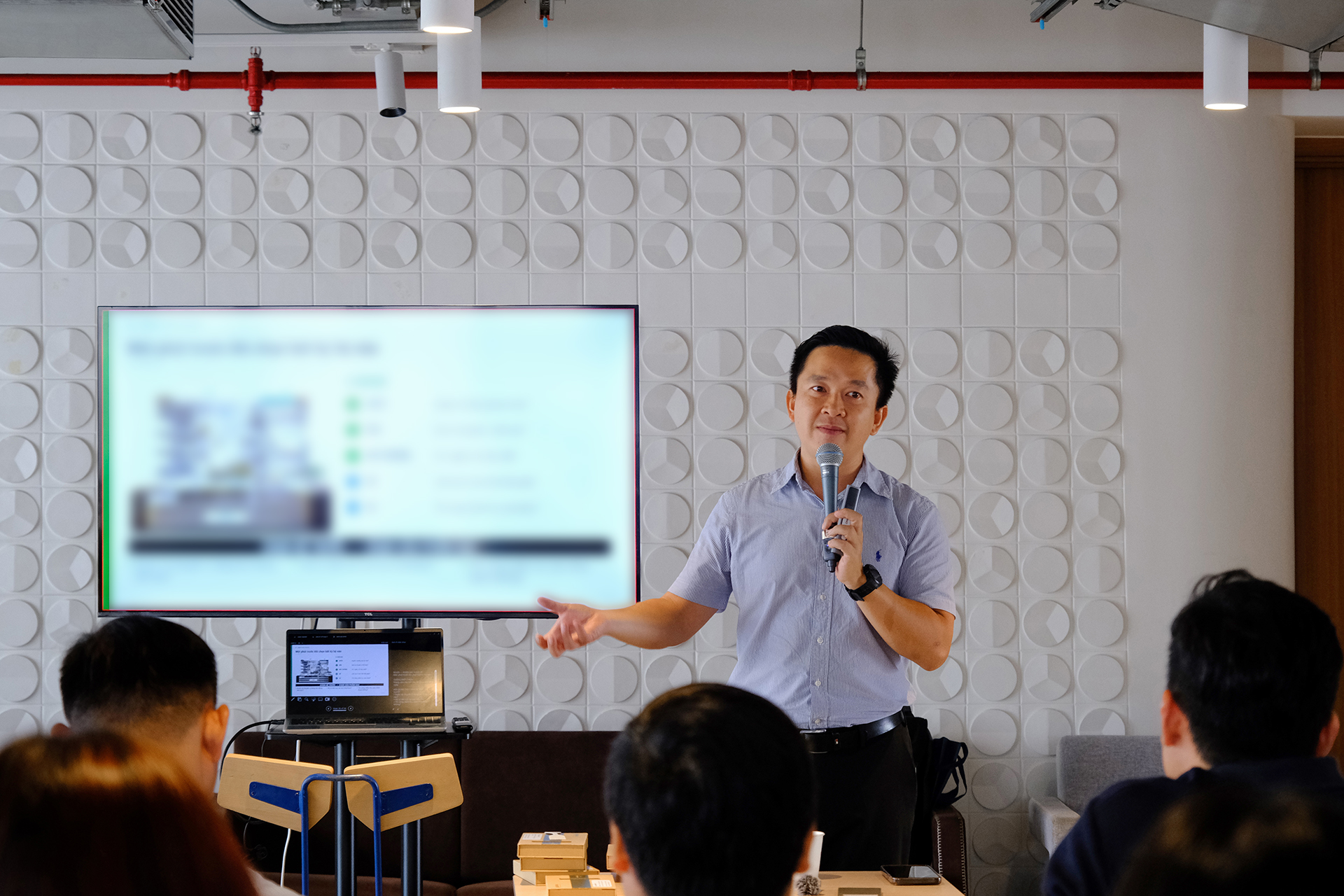
“Every area taken out of operation has a direct impact on hotel revenue,” explains Mr. Nguyen Xuan Hoang Nam, Project Director at BOHO.
Our approach was to carefully coordinate site access and handovers with all parties involved, while shifting as much work as possible off-site. Wherever feasible, components were modularized and produced at our factory before being brought to site. This reduced installation time while helping us maintain consistent quality.
Existing conditions inevitably bring surprises once work begins.
“Changes during execution are inevitable,” Mr. Hoang Nam adds.
The real question is how quickly a contractor can respond and whether the right expertise is immediately available. At BOHO, our design, technical, procurement and factory teams work directly with the site team to resolve issues as they arise – without losing control of either schedule or quality.
From design intent to guest experience
Luxury hospitality demands more than flawless finishes. It requires contractors to preserve the design intent and brand experience all the way through to the completed space.
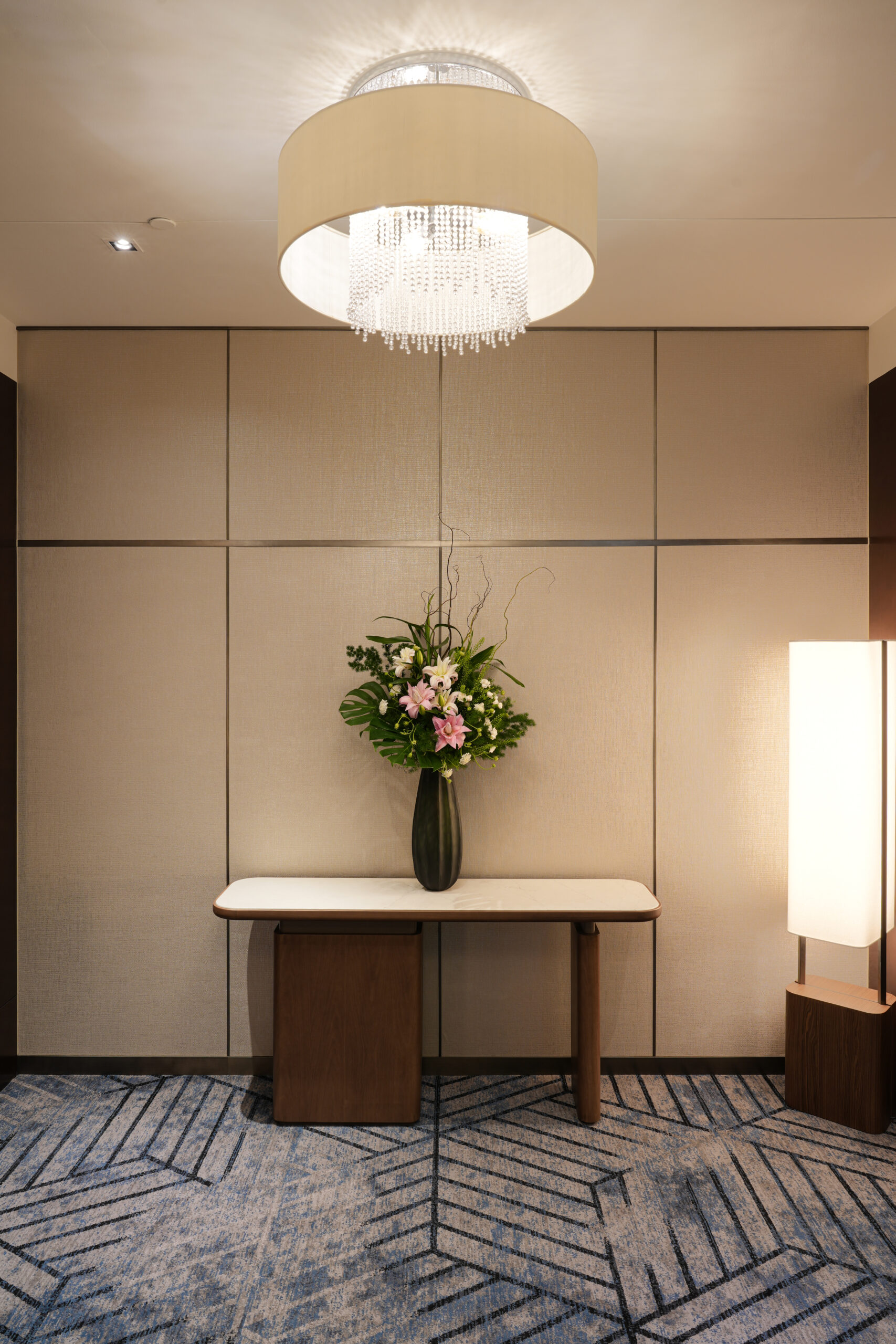
JW Marriott is known for shaping the guest experience around serenity, being present, connection with nature and a sense of being cared for. When we work through each detail, we always return to how the guest will experience the space: the warmth of the lighting, the touch of natural materials, the continuity of stone veining, and the proportions and comfort of the furniture.
explains Mr. Nguyen Phuoc Dai Loc, Design Coordinator at BOHO.
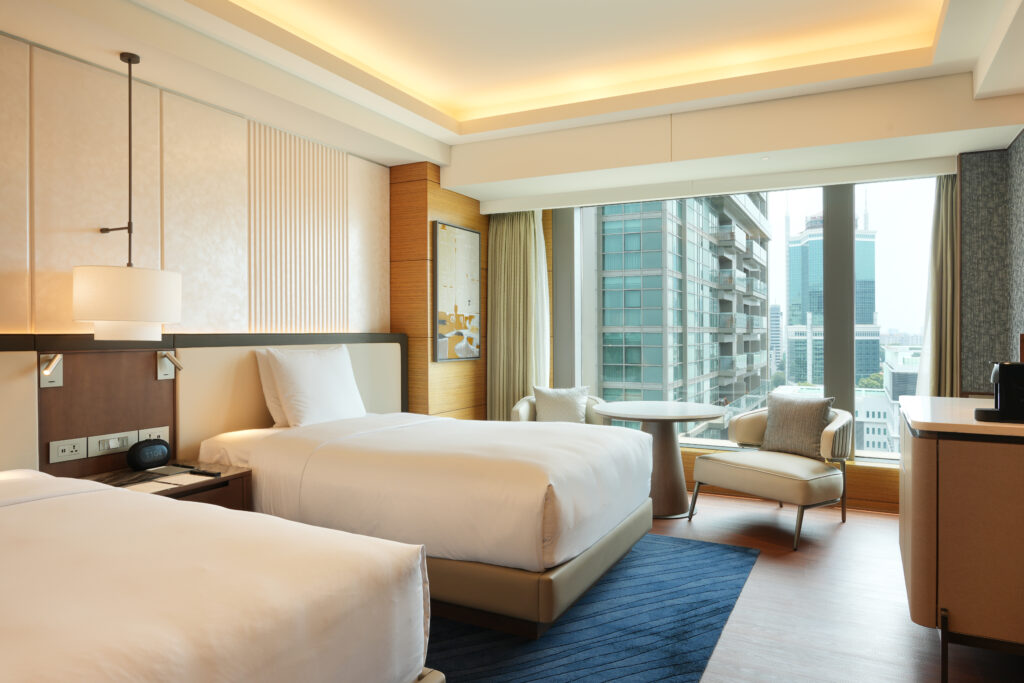
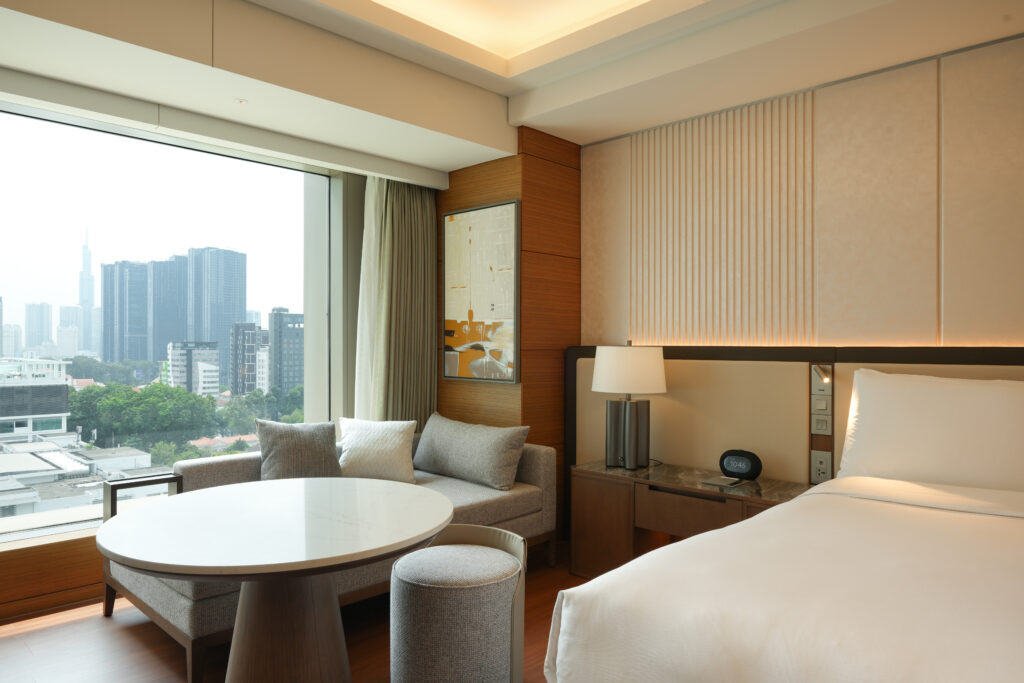
Deluxe guest rooms
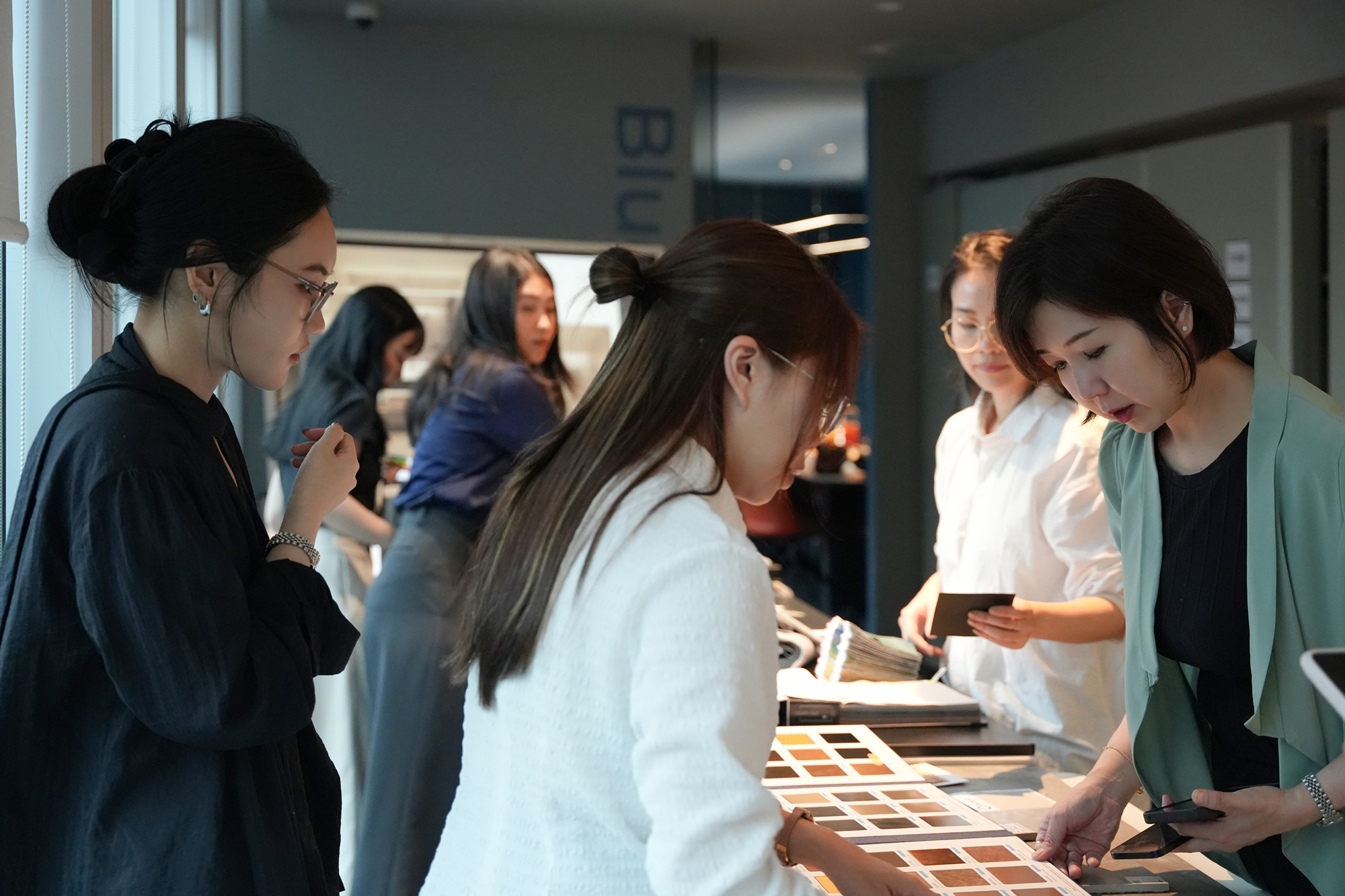
For the 305 hotel rooms and 260 serviced apartments, consistency was a major focus. A detail may be relatively straightfoward to control in a mock-up room, but when repeated across hundreds of spaces, even minor variations can become noticeable. The mock-up therefore became the benchmark for a standardised process across production, quality control and installation.
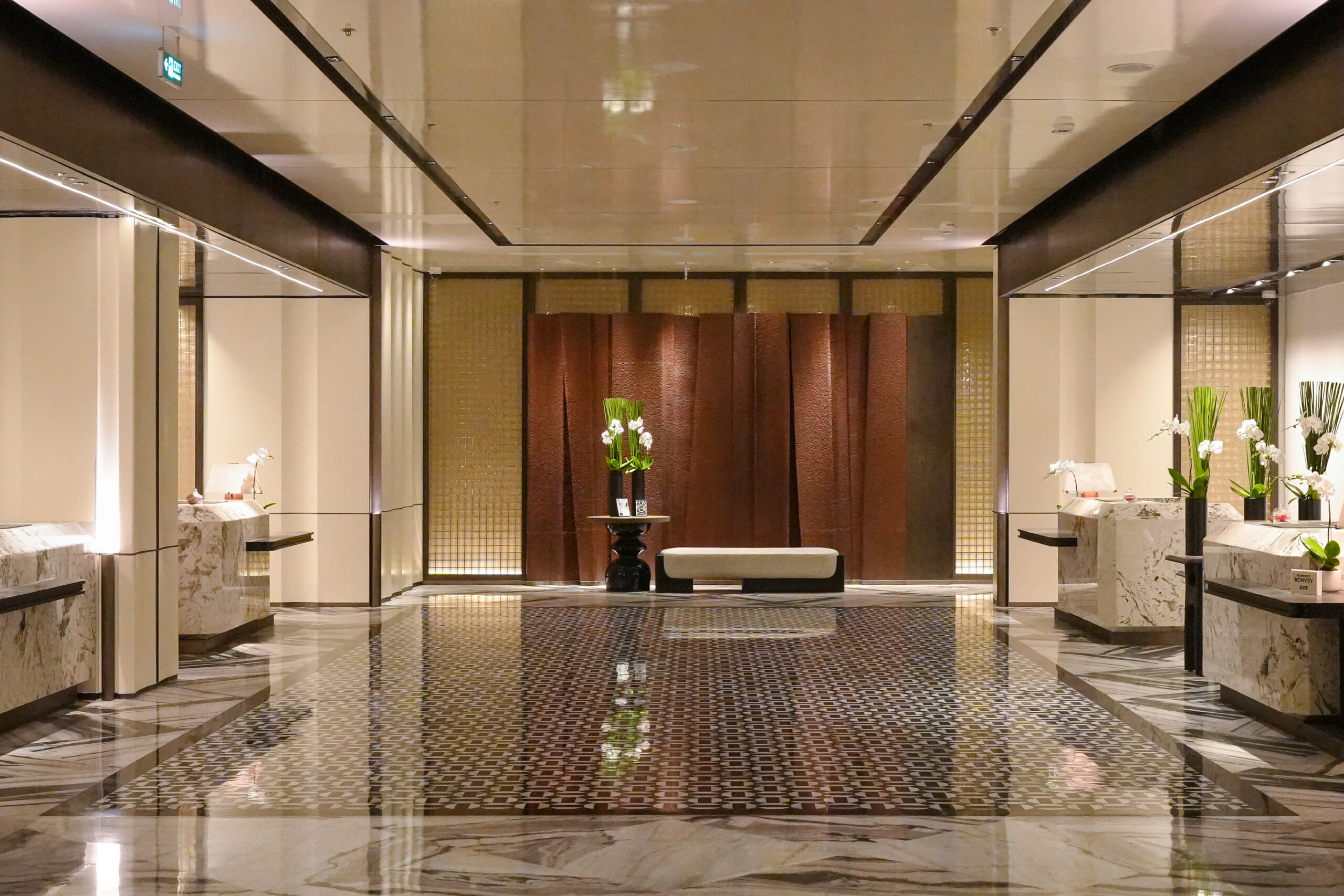
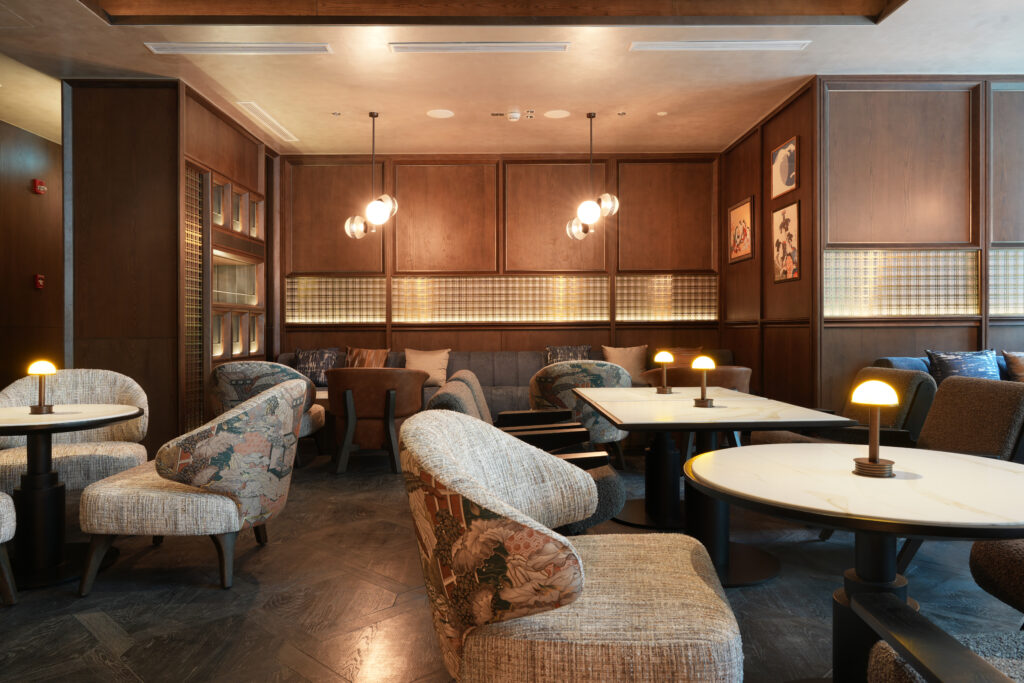
Meanwhile, the public areas presented a different challenge. Spaces such as the lobby, The Lounge, restaurants and bars demanded more bespoke execution and greater precision in detailing. Quality came down to how seamlessly everything worked together, from stone veining and metal proportions to discreet joints and the interaction between light and material finishes.
Luxury hospitality therefore requires contractors to master both ends of the spectrum: consistency at scale and precision in highly customised details.
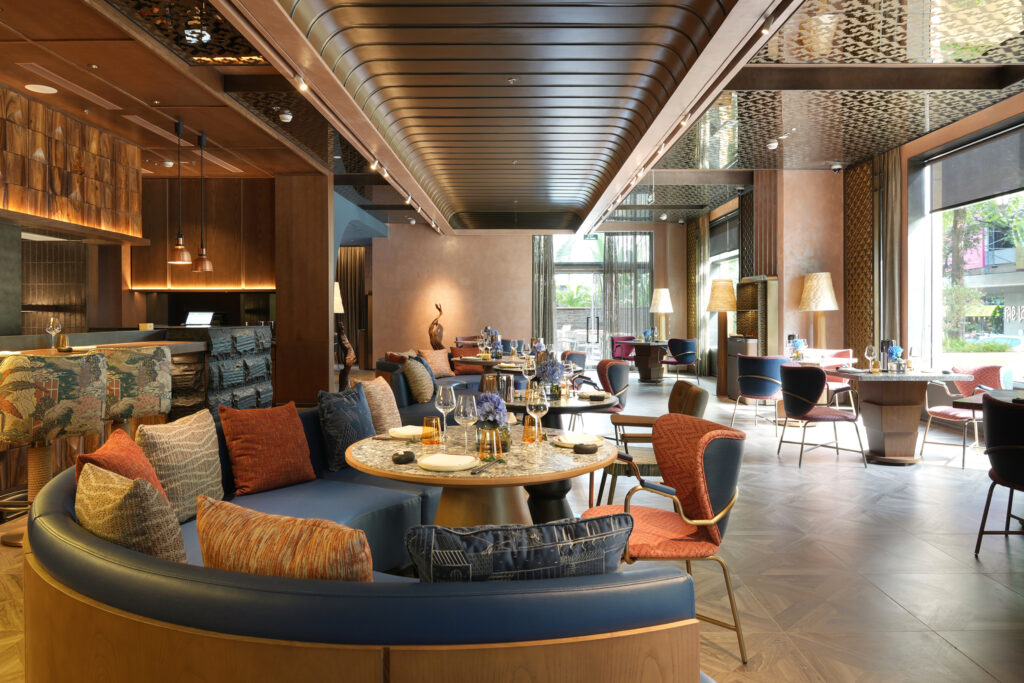
Nikura Restaurant
Pisco Hana Bar & Lounge
An integrated delivery chain from design to production and site
To manage both scale and finish quality, BOHO structured the project around an integrated workflow connecting design, technical development, production and site execution.
From the outset, the design and technical teams translated design intent into buildable details, material solutions and installation methods suited to actual site conditions.
Once defined, selected components were produced, quality-checked and modularised at BOHO’s LEED Gold-certified furniture factory before being delivered to site. This reduced on-site workload, improved consistency across spaces and shortened installation time.
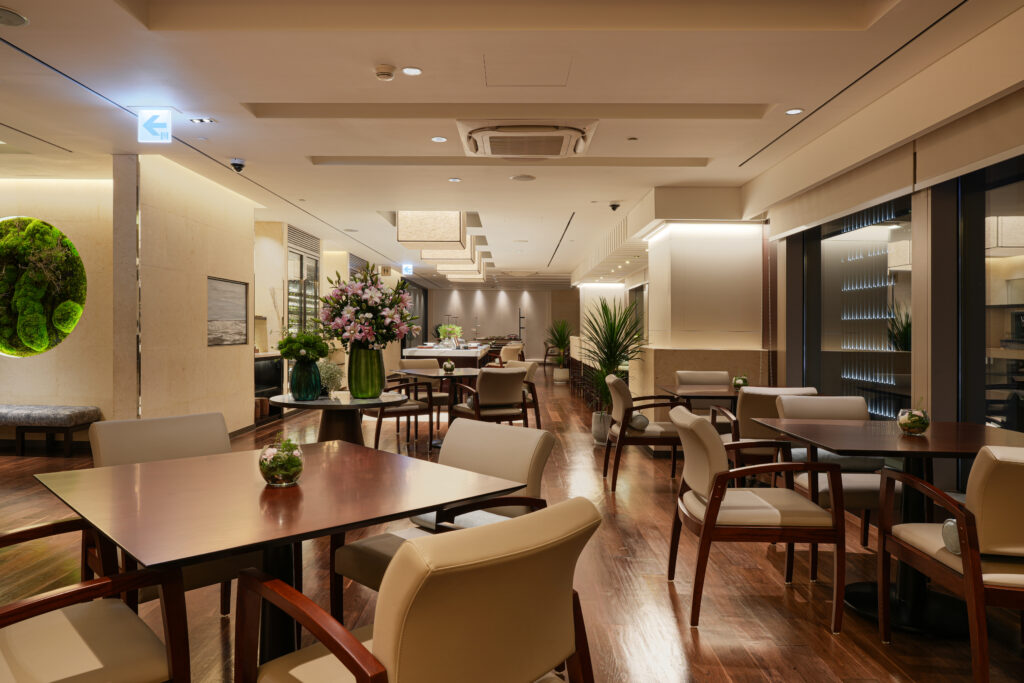
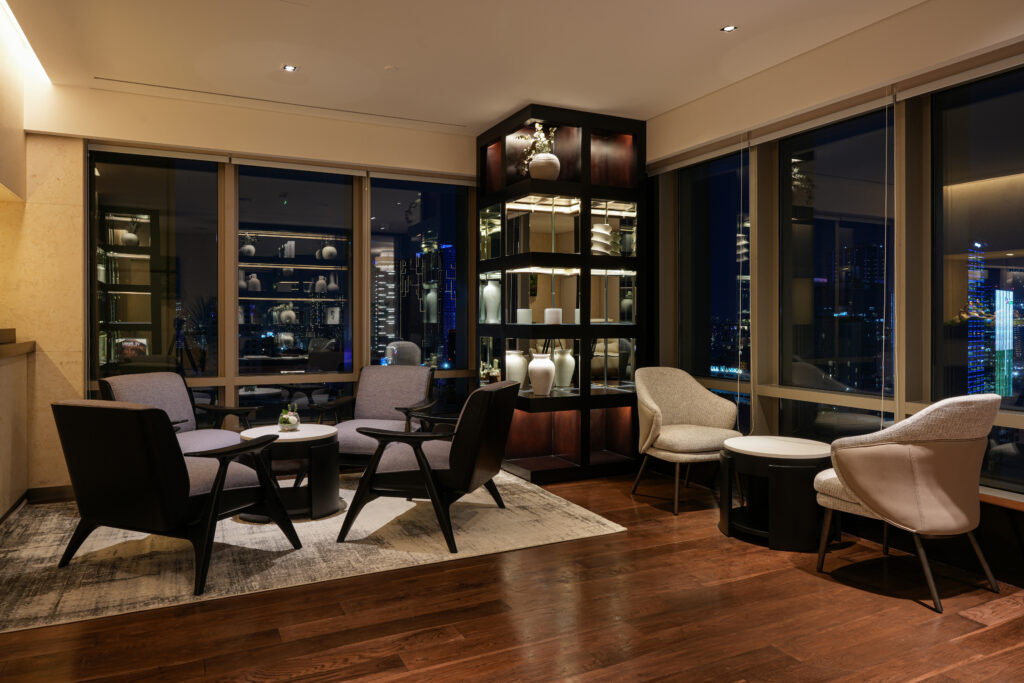
Executive Lounge
A broader opportunity for Vietnamese interior contractors
The current wave of hotel upgrades and brand conversions is creating new opportunities for Vietnamese interior companies to take on a greater role in internationally branded hospitality projects.
Local companies already have clear advantages in manufacturing, established supply chains and responsiveness. But as projects grow in scale and complexity, these strengths alone are no longer enough.
To work on projects built to international standards, Vietnamese interior companies need to move beyond manufacturing or construction alone. Interior contractors need a strong understanding of design and materials, control over the production process, and the ability to propose practical solutions and respond quickly and effectively to changing project conditions. Ultimately, the goal is to translate design intent consistently from drawings through to the completed space.
explains Mr. Nguyen Xuan Hoang Nam, Project Director at BOHO.
JW Marriott Hotel & Suites Saigon puts those demands into practice. Its scale, finish requirements and live operating environment required the contractor to manage far more than execution alone. Technical development, production, logistics and site delivery had to move as one coordinated process.
For BOHO Corporation, the project reflects a broader evolution in the role of the interior contractor, from delivering individual packages to managing the connections between design, production and execution as one integrated process. This capability positions BOHO to respond to a changing market and participate more deeply in high-end hospitality projects built to international standards.